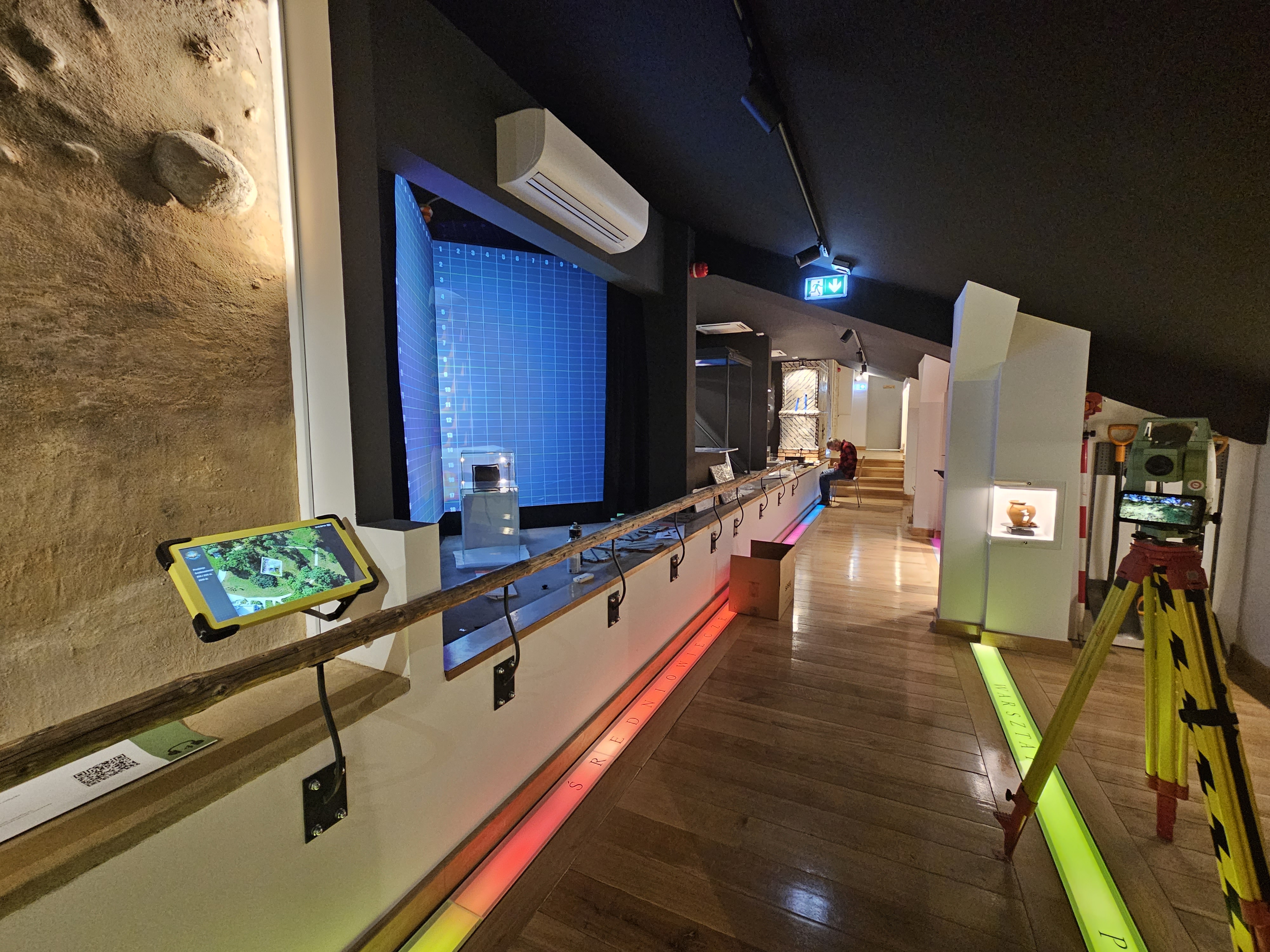
In the park surrounding the palace at Sanniki, where Chopin once played, archaeologists uncovered traces of settlement thousands of years old. The exhibition “What Came Before the Palace?” tells that story.
A place full of surprises
The Fryderyk Chopin European Arts Centre in Sanniki (Europejskie Centrum Artystyczne im. Fryderyka Chopina) is a place one associates with music, polychrome murals and walks through an eleven-hectare park. Few would expect that beneath its paths and lawns archaeologists from the State Archaeological Museum in Warsaw (Państwowe Muzeum Archeologiczne) have uncovered traces of settlement reaching all the way back to the Neolithic. Fragments of Globular Amphora culture vessels from 3100–2600 BC, sixteenth-century coins, even the foundations of a forgotten manor house – every layer of earth turned out to be another chapter of a historical tale.
The palace attic was set aside for the display, and we were invited to join the project to create the exhibition's multimedia component. Specifically: to design and build the applications and interactive stations that would tell this many-layered story in a language intelligible both to the archaeology enthusiast and to a family with children visiting the palace on a Sunday afternoon.
The archaeologist's instruments
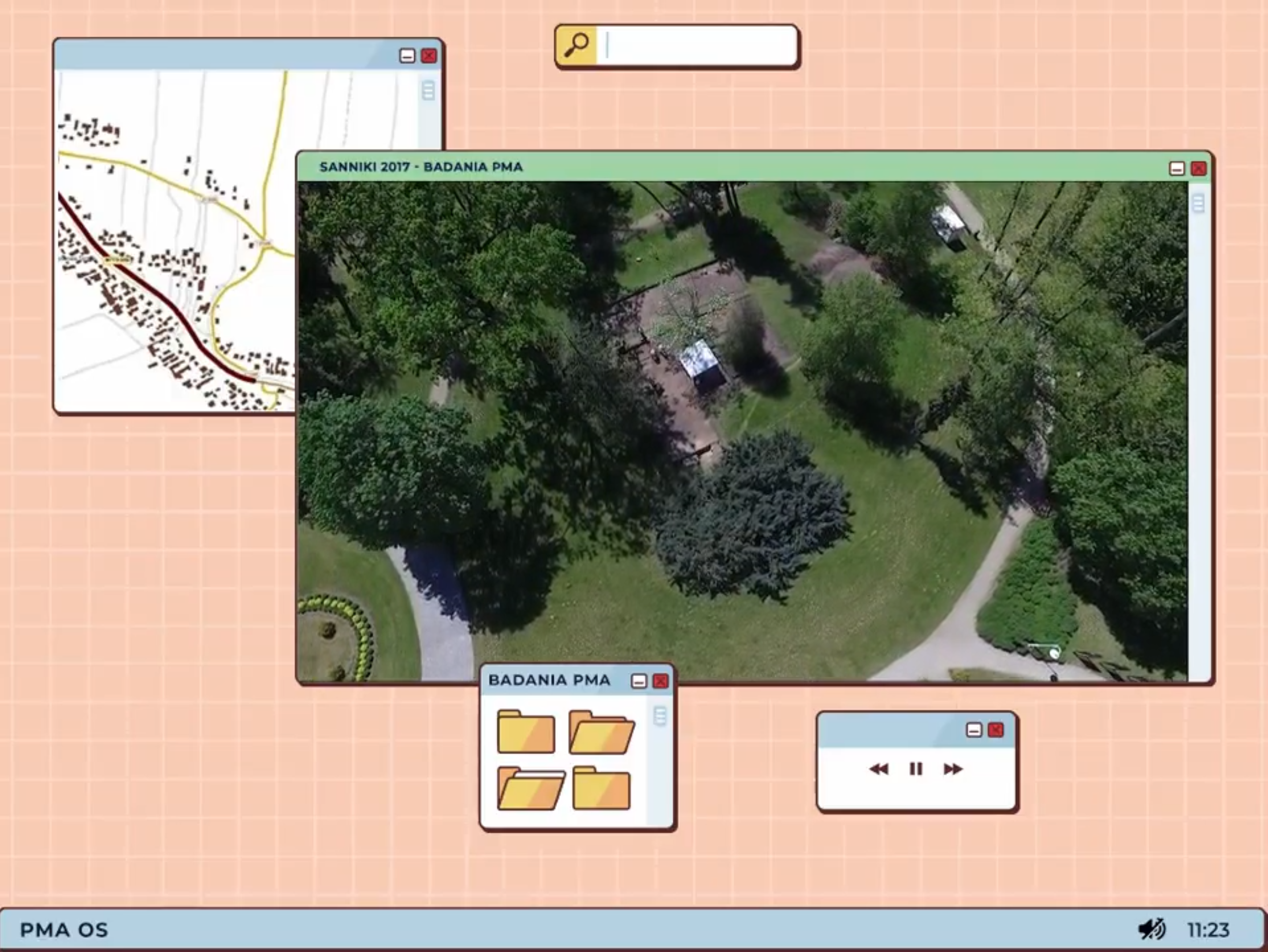
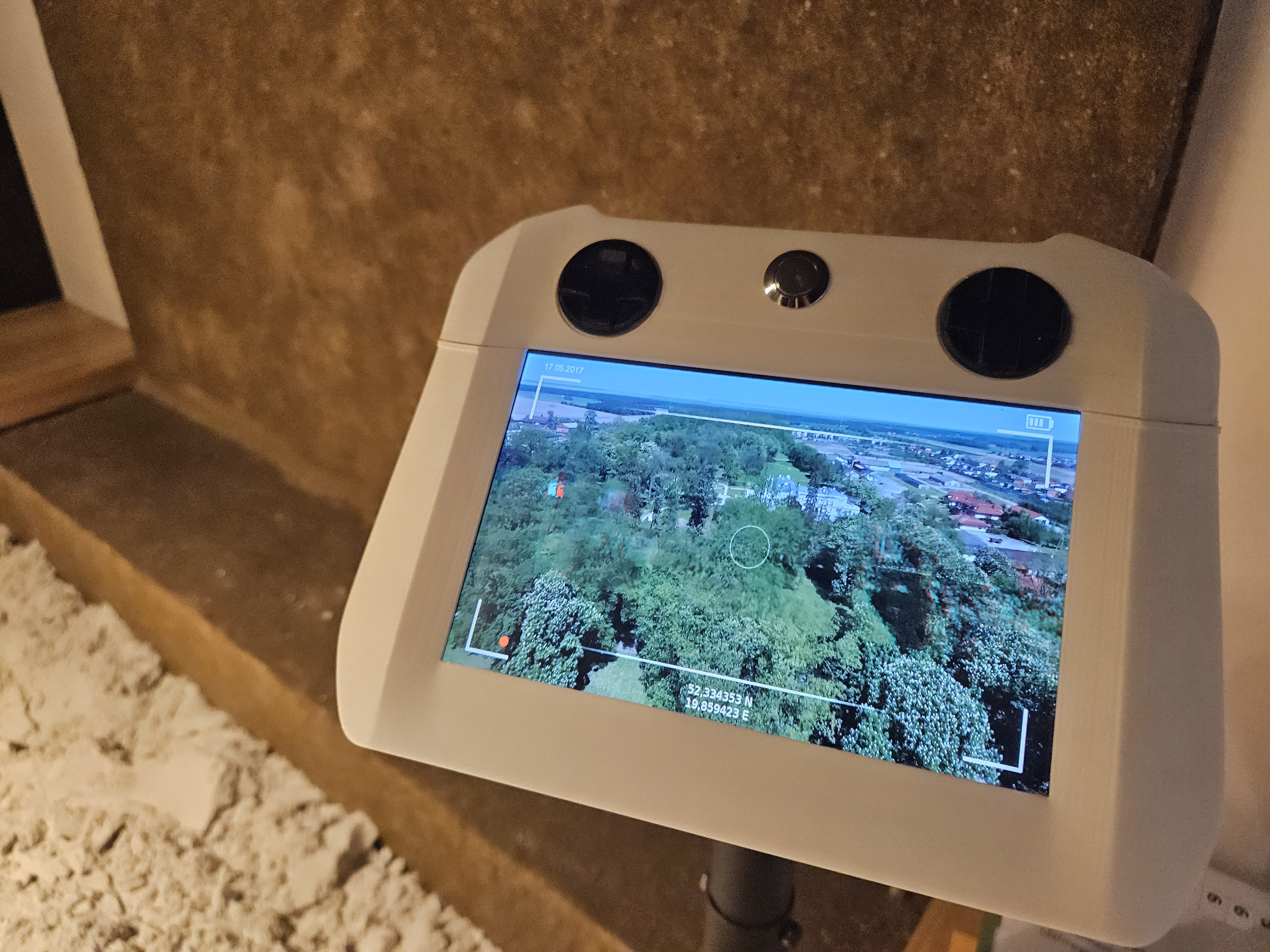
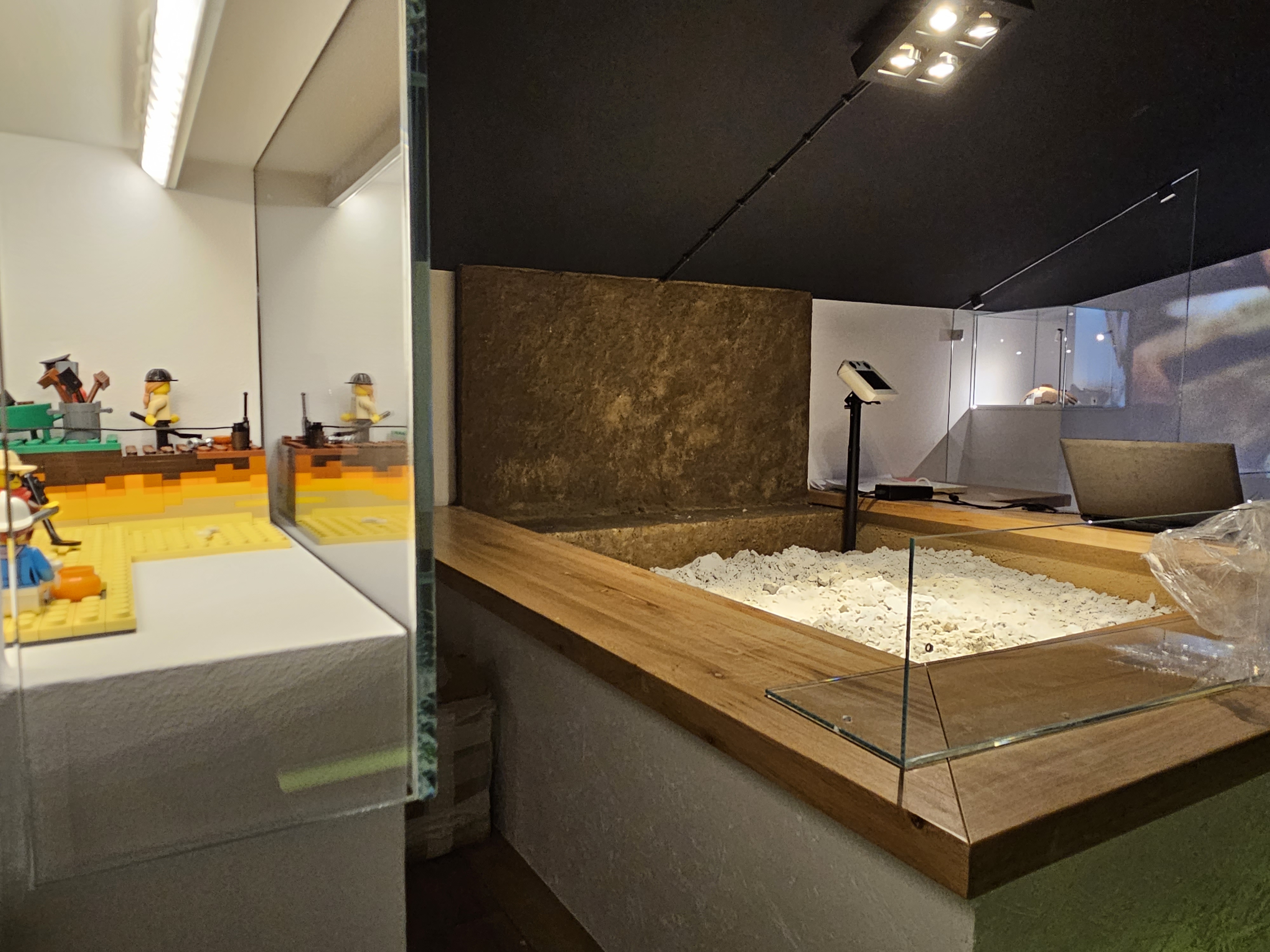
In this exhibition, knowledge about the excavations and the 3D reconstructions is conveyed largely through instruments adapted for display – the kind archaeologists really use in the field. A total station, digital maps, a drone controller and – wait for it – a slide transparency. In this way visitors explore the exhibition more or less on their own, gradually uncovering successive layers of the site's history. Nobody here leads you by the hand. You have to peer in, touch, switch on – just as in real research work.
A view that no longer exists
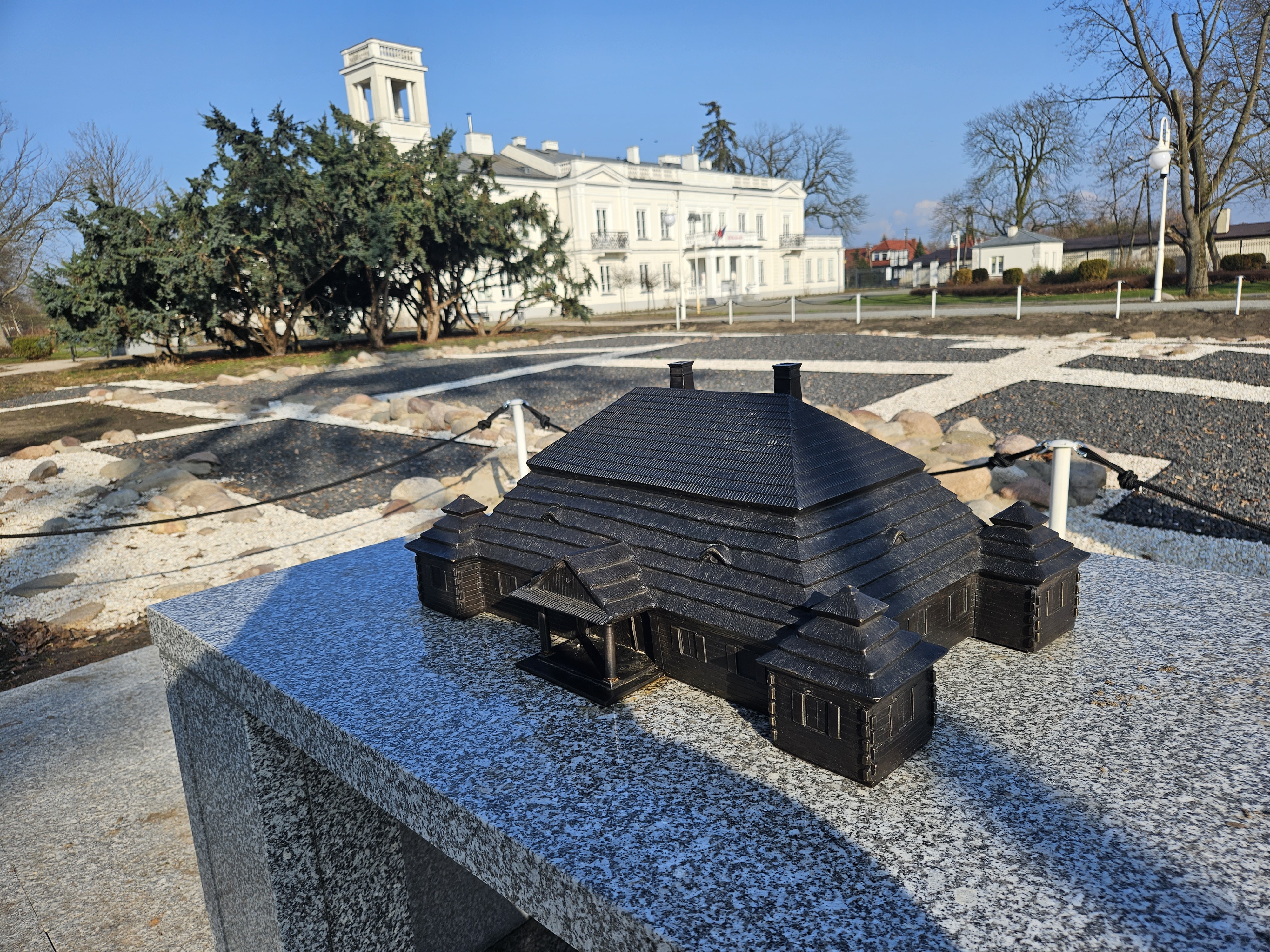
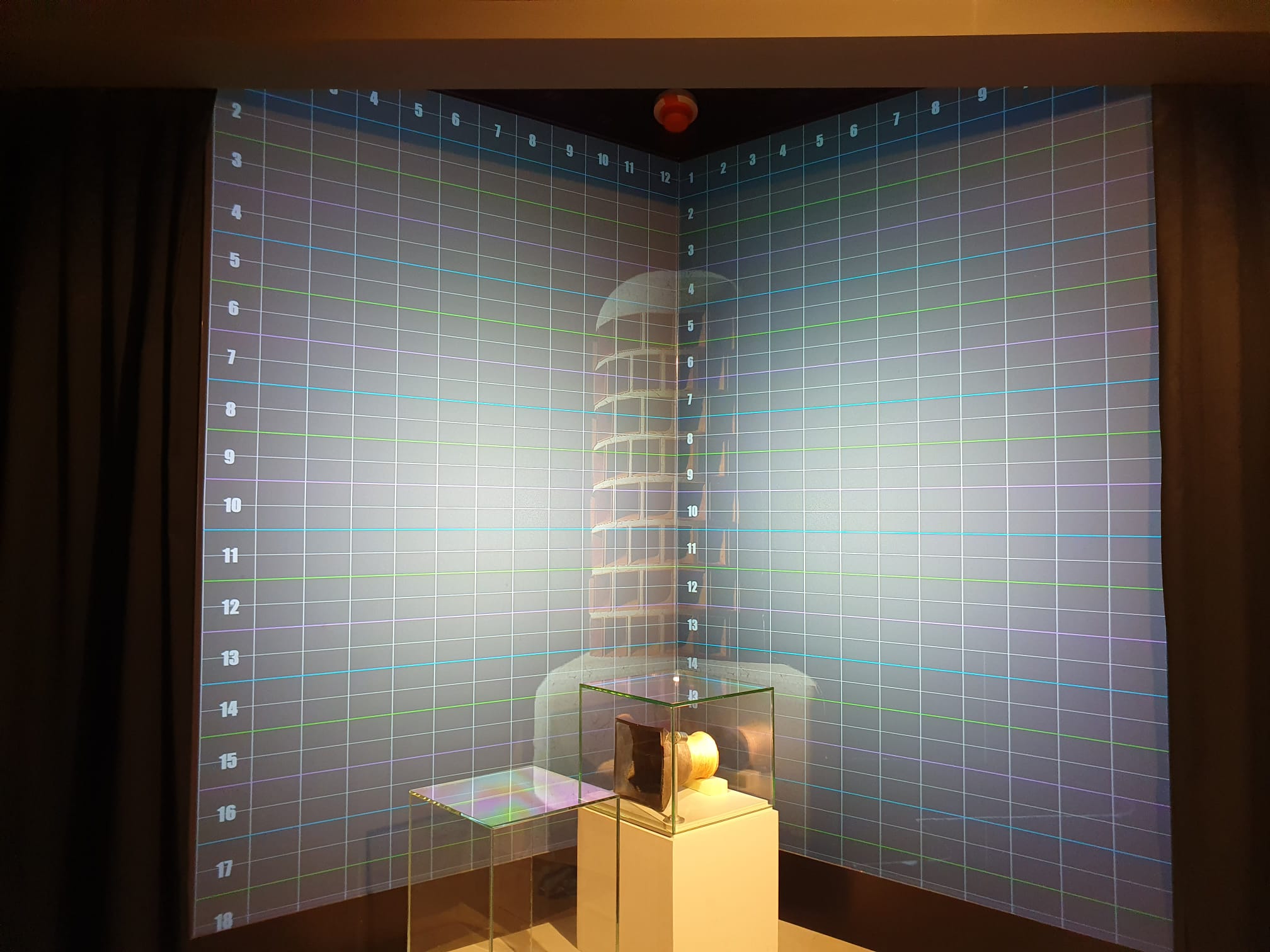
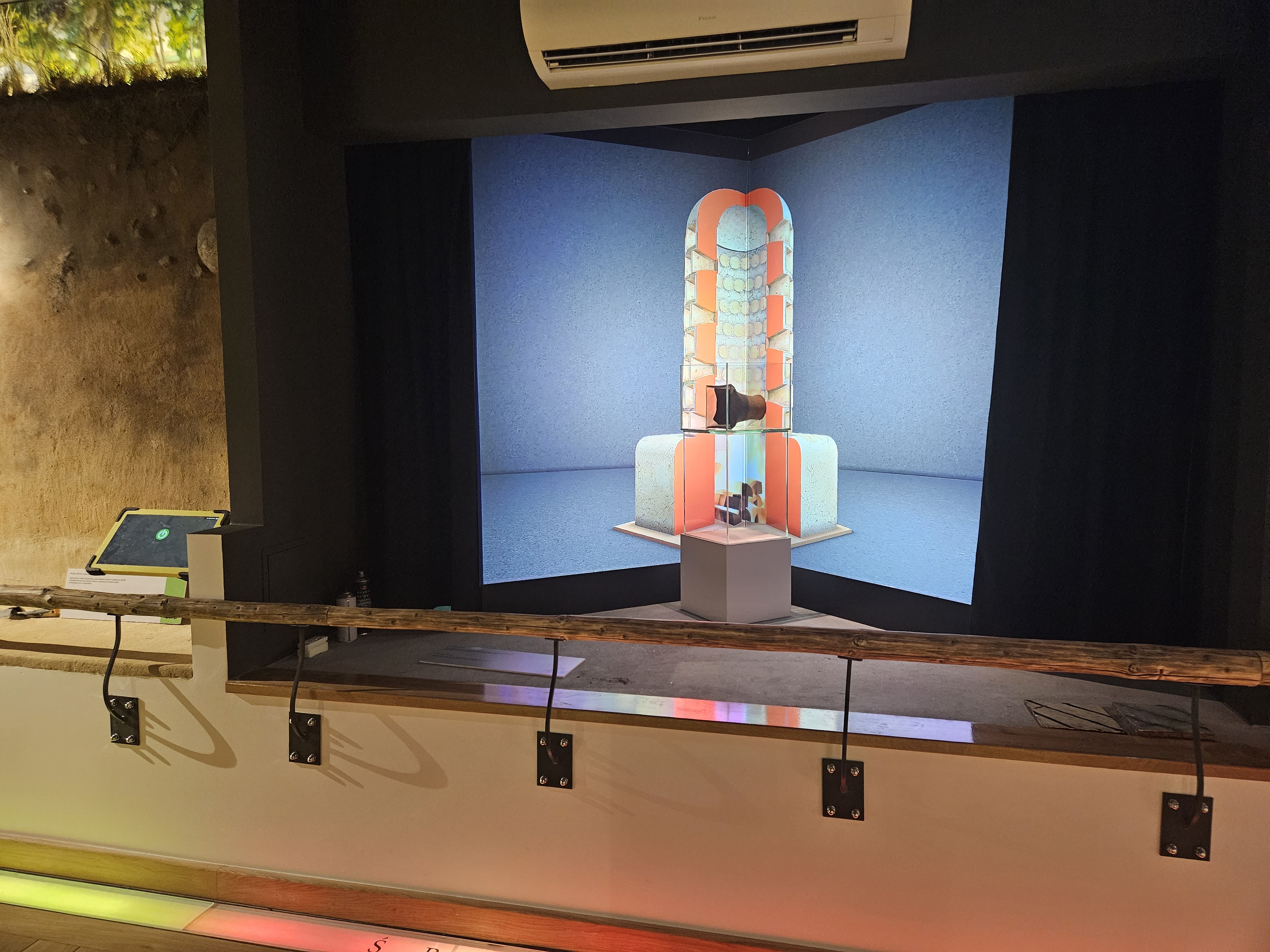
One of the most important tasks in the project was to bring the old manor house, which stood here long before the palace, digitally back to life. Drawing on excavation data and historical sources, we prepared a series of 3D reconstructions showing the successive phases of the building's development – from a modest timber residence, through its enlargement and brick extensions, to the fire that finally brought its history to an end. The viewer can trace how the manor changed over the centuries, layer by layer – exactly as archaeologists read the successive levels of a dig.
We also recreated the interiors. Rooms with beamed ceilings, everyday utensils and, above all, a tiled stove – reconstructed from fragments of tiles found during the excavations. These are the details that give the past a concrete shape: no longer an abstract “olden days”, but a place where someone once really lived, cooked and kept warm in winter...
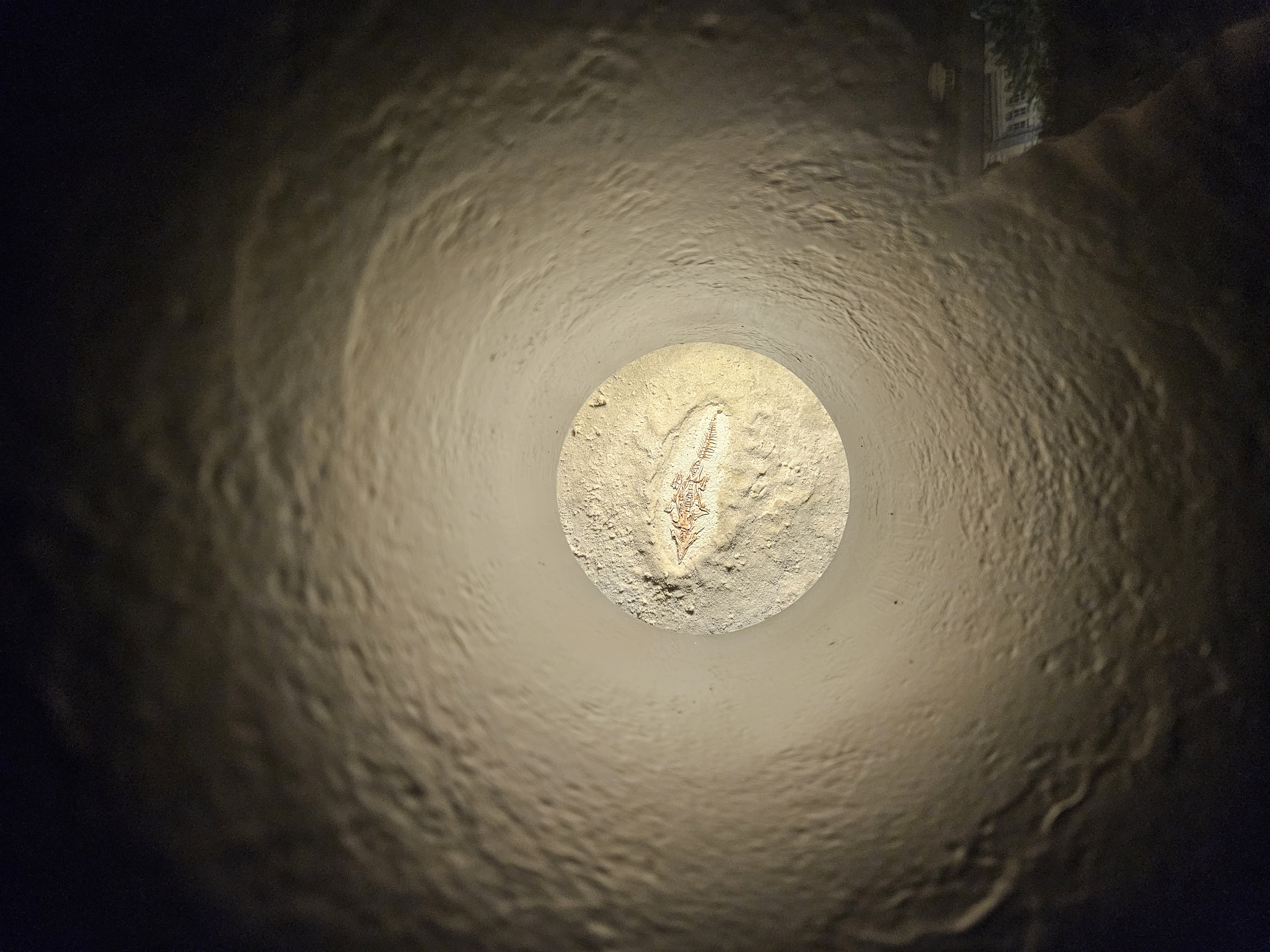
We hid the reconstructions where visitors least expect them. Through a keyhole you can peer into one of the rooms. It is like spying on the past – literally and figuratively.
But the best trick waits at the window. The attic window looks out onto the very spot in the park where the manor once stood. The digital 3D reconstruction is laid over the real landscape beyond the glass – and suddenly what has been gone for centuries stands right before your eyes. It is hard to imagine a better context for the story of a place.
A touch of humour
A touch of humour never hurts – even in an archaeology exhibition. Through a crack in the floor you can watch a little mouse making its way through the underground scenery, sniffing at the finds, scurrying up to crumbs and finally – looking the peeping visitor straight in the eye ;) Our little lodger has a thing or two to say about this place as well. This charming animation is a wink to the youngest explorers.
A story that never gets dull
The exhibition “What Came Before the Palace?” (Co było przed pałacem?) is an extraordinary place, where we can feel like real field archaeologists and, at the same time, dig into the surprising histories hidden in the soil of Sanniki.